discover The best of the
DORDOGNE, CORRÈZE & HAUTE-VIENNE
SALAGNAC
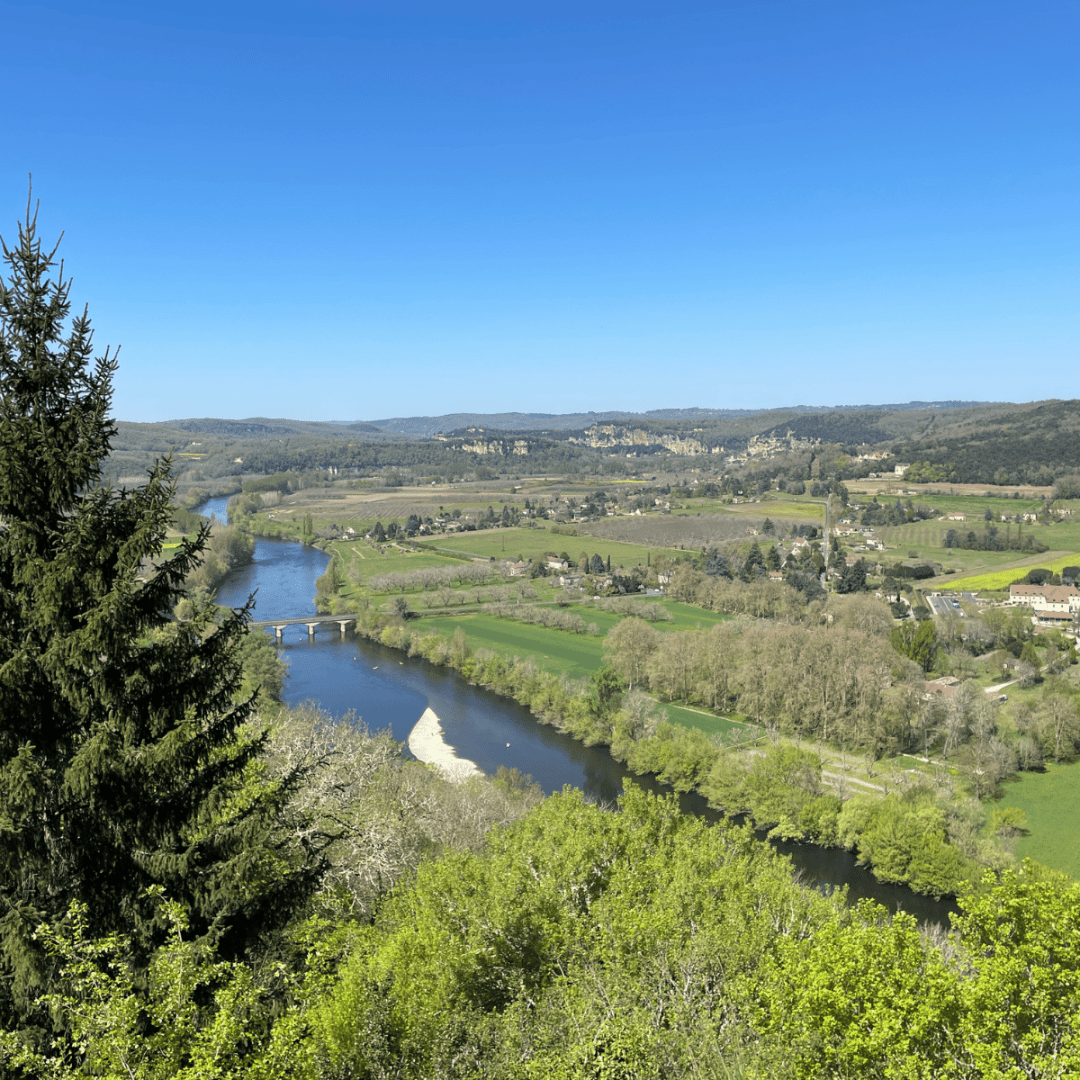
Around Salagnac, three départements meet: Dordogne, Corrèze and Haute-Vienne. It is a region where the Périgord and the Limousin come together, and where nature, history and the good French way of life blend effortlessly.
A wealth of history, culture and nature
The Dordogne enchants with its rich past, hilltop châteaux and prehistoric treasures. Places such as Hautefort, Montignac-Lascaux, Domme and Sarlat reveal the many facets of the Périgord.
The Corrèze breathes space and tranquillity, with gently rolling landscapes, orchards, red sandstone villages and lively market squares. Towns like Brive-la-Gaillarde, Ségur-le-Château, Collonges-la-Rouge and Turenne give the region its warm, authentic character.
Haute-Vienne adds its own rural charm: undulating meadows with the famous Limousin cattle, artisanal traditions and peaceful villages where life unfolds at a gentle pace. A region in which Saint-Yrieix-la-Perche forms a natural gateway, while Limoges, with its porcelain and historic centre, showcases the cultural side of the Limousin.
And there is so much more to discover...
SÉGUR LE CHÂTEAU
A VILLAGE WITH A RARE INTENSITY
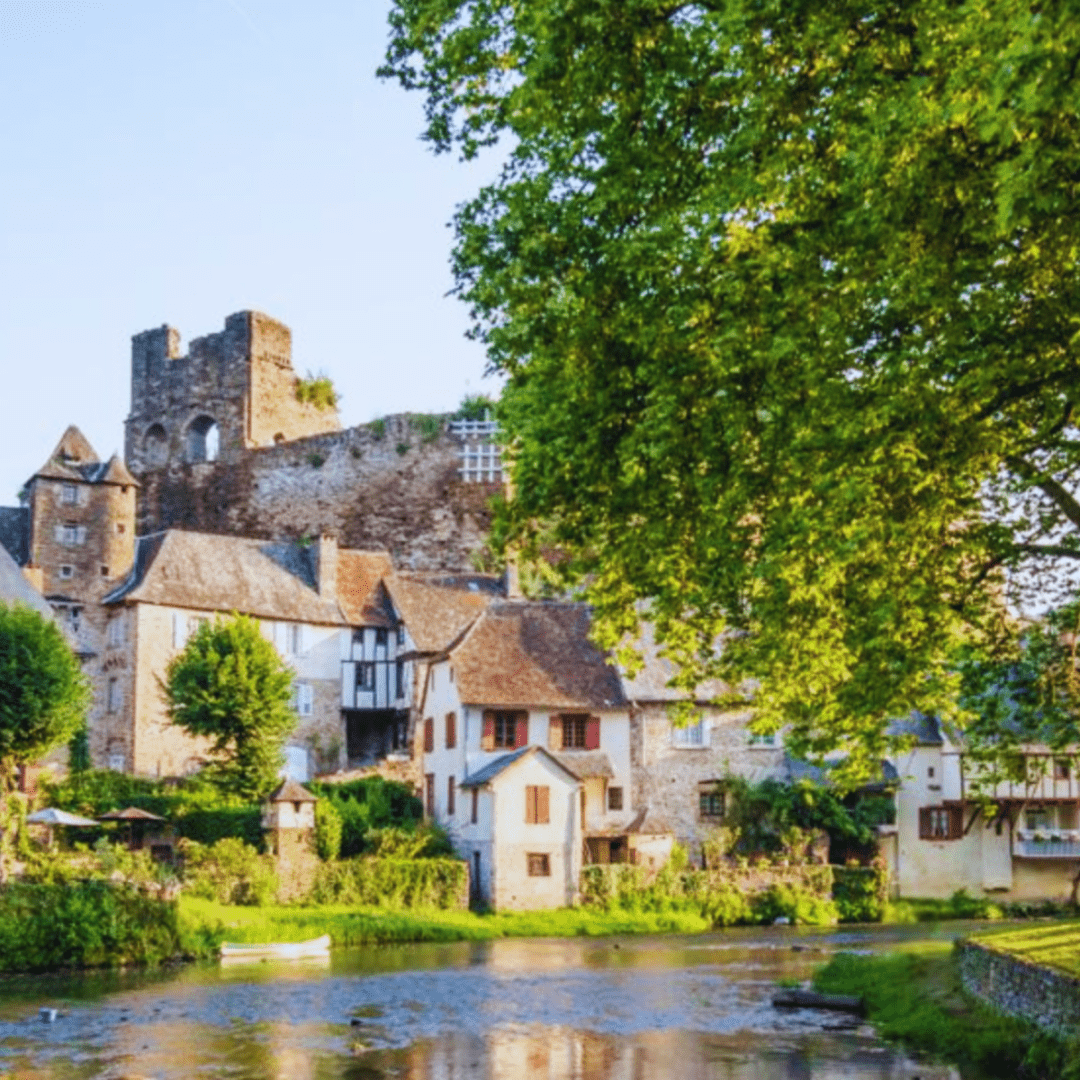
Ségur le Château lies in a bend of the Auvézère, as if the village has naturally shaped itself around the water. The old stone houses stand close together, with wooden balconies, slate roofs and narrow passageways that seem to whisper you from street to street. It is one of Les Plus Beaux Villages de France, but it carries that title without pretence. Everything feels natural here.
The remains of the medieval castle still watch over the village — not as a monument demanding attention, but as a quiet reminder of a time when Ségur was an important seat of justice. History here is not a backdrop; it is in the walls, the bridges, the way the light falls on the river.
That interplay of light, water and old stone has long made Ségur le Château beloved by painters. They come for the soft colours, the reflections in the Auvézère and the way the village lends itself to quiet scenes. It is a place that is easy to paint precisely because nothing feels staged or forced.
A path runs along the water where you naturally slow down. In summer, market stalls appear beneath the plane trees; in autumn, a gentle stillness settles over the village. It is not a place you visit to tick off, but to linger - a coffee by the water, a walk through the narrow streets, a glance up at the ruins that have known the landscape for centuries.
PÉRIGUEUX
A ROMAN CITY
Périgueux is a city you naturally end up in — and where you are happy to stay. Historic, lively and relaxed at the same time, with an atmosphere that invites you to wander without a plan. The city lies on the river Isle and blends old and new with ease.
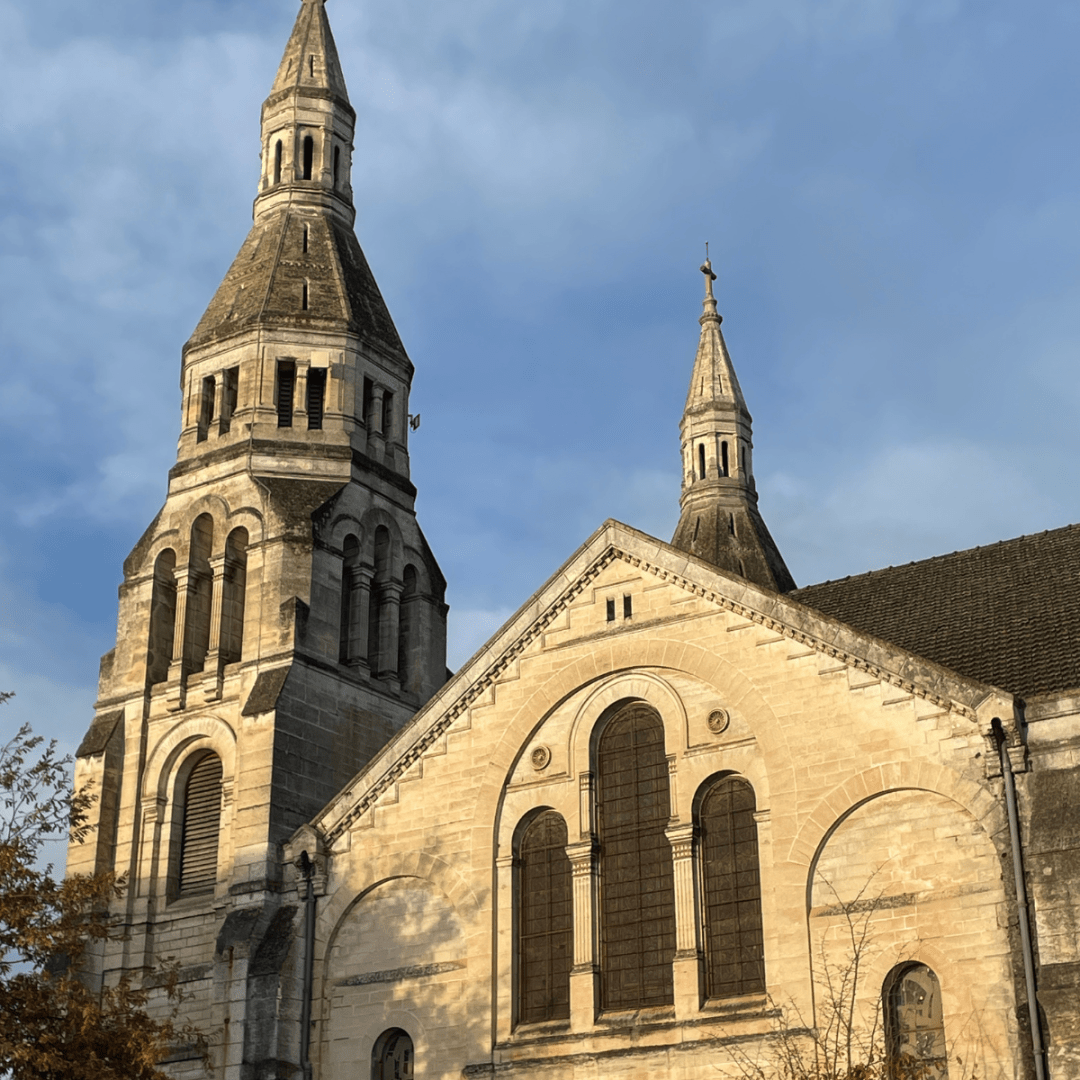
Its heart is formed by the Cathédrale Saint Front, with its distinctive domes, but Périgueux is much more than a single monument. The old centre is full of streets, squares and terraces where life unfolds. You can stroll, browse the shops, visit the market and eat well — from simple bistros to refined restaurants.
Culture is present everywhere. The Vesunna museum tells the city’s Roman story, while the Musée d’Art et d’Archéologie du Périgord surprises with its collection. There is also a cinema for an evening out. Thanks to the railway station, Périgueux is easy to reach and feels open and well connected.
Périgueux has a good vibe in both summer and winter: lively without being hectic, cultural without being distant. A city where you can just as easily spend a whole day wandering as sit on a terrace and let time pass.
BRIVE LA GAILLARDE
A SELF-CONSCIOUS CONTEMPORARY CITY
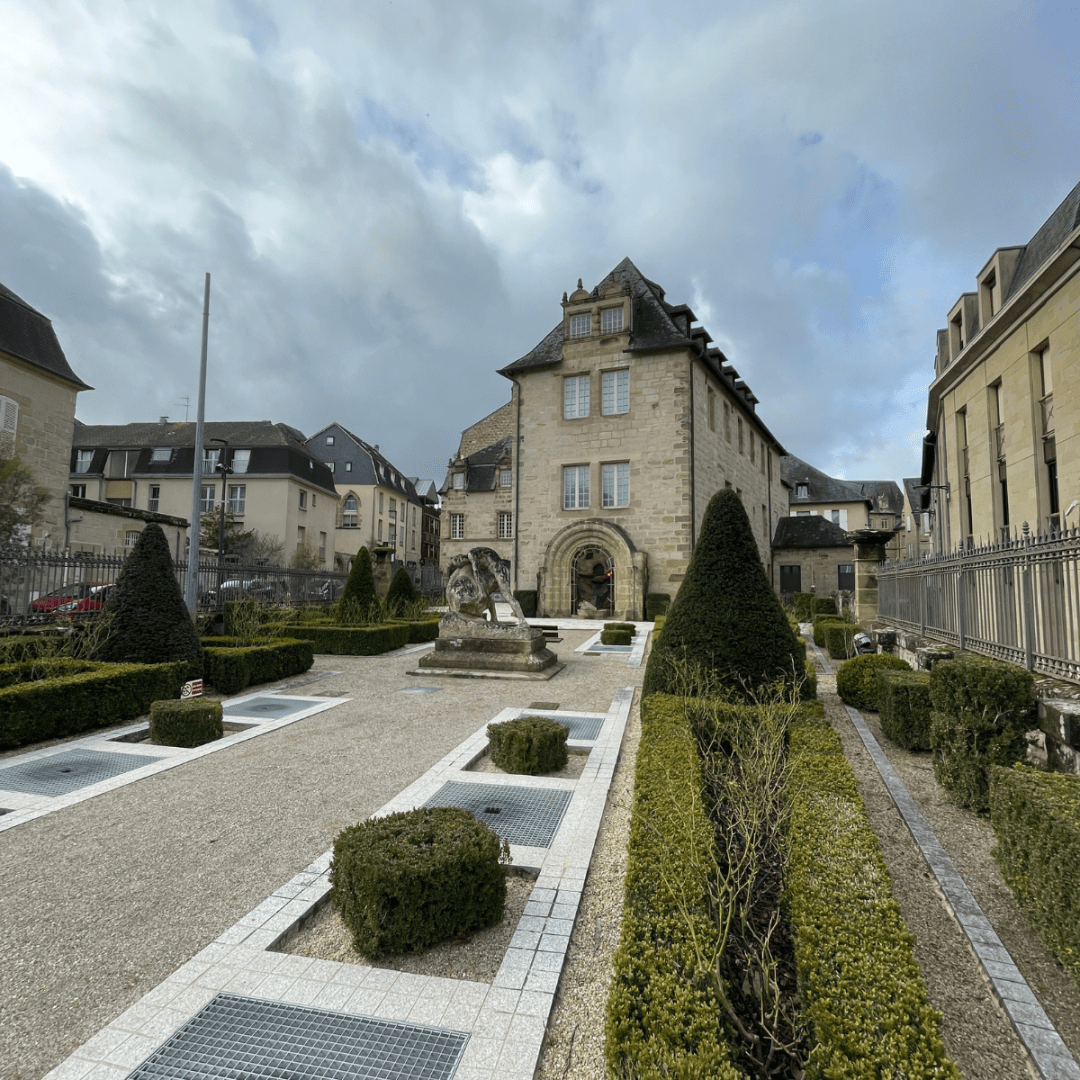
Brive la Gaillarde is a city defined less by monumental presence than by use. It is an active, self assured town where trade, gastronomy and everyday life take centre stage. Unlike Périgueux, Brive is less historically layered, but all the more direct and accessible. The centre is compact and lively, with squares and streets focused on shops, cafés and markets. The market in Brive, held several times a week, is a fixture in city life and is known as one of the most important in the region. Here, it’s all about the products, not the presentation.
Brive has a clear cultural infrastructure. The Musée Labenche, housed in a Renaissance town house, offers an overview of the region’s art and history. The Musée Edmond Michelet highlights Brive’s role in the French Resistance during the Second World War. There is also a cinema, theatres and an active events calendar, including literary and gastronomic festivals. With a major railway station and good connections, Brive is a practical hub in the south of the Corrèze. The city feels less touristy than Périgueux, but very much like a place where people live, work and come together.
Brive la Gaillarde is not a city of detours or contemplation, but of presence and rhythm. A city that functions — and finds its strength in that.
BRANTÔME
VENICE OF THE PERIGORD
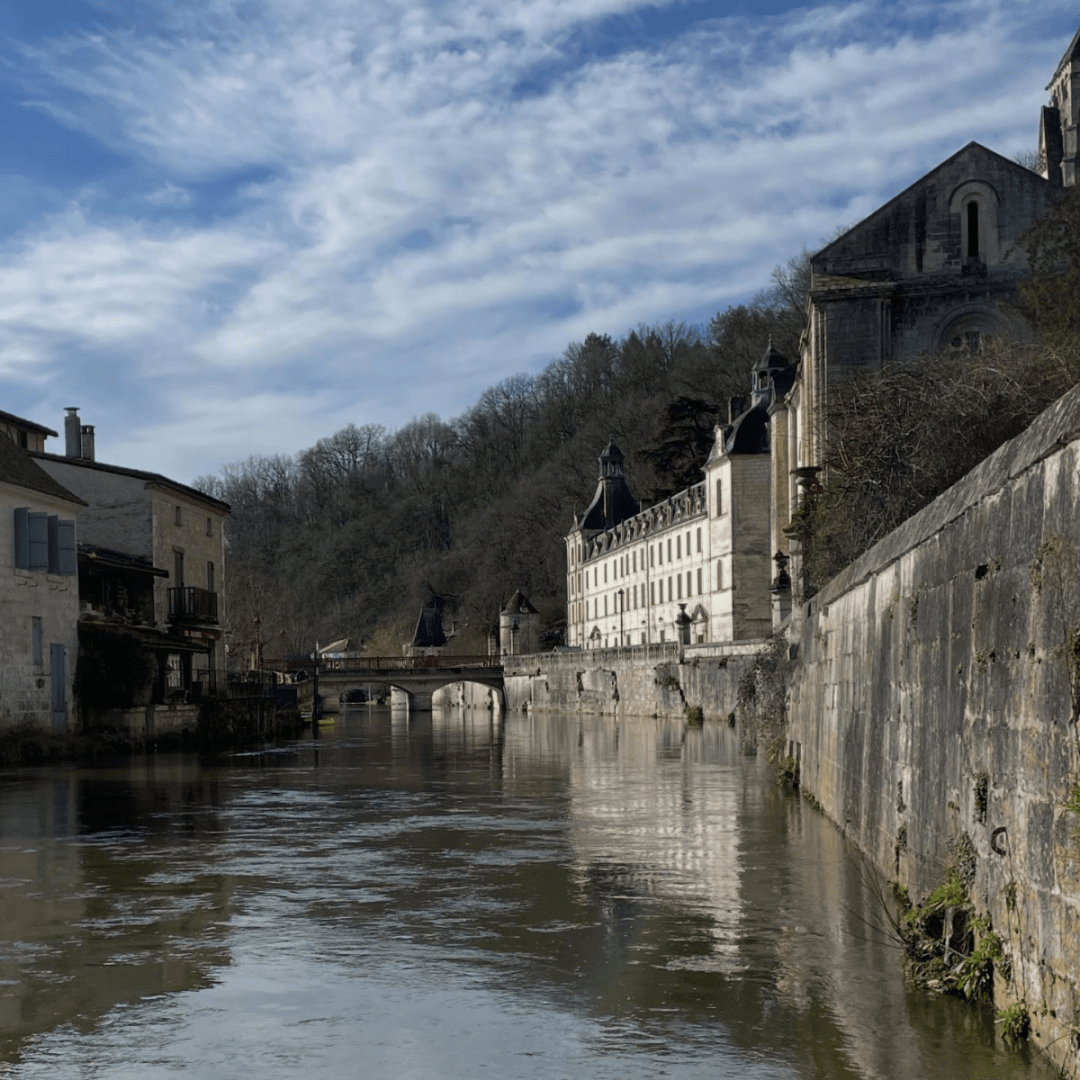
Brantôme lies in the north of the Périgord, in a loop of the river Dronne, which almost completely encircles the historic centre. The village is compact and strongly defined by its position between water and rock.
The core of Brantôme is formed by the Abbaye Saint Pierre, parts of which are carved into the limestone cliff. This combination of built and natural structure gives the village a clear spatial coherence. Bridges and riverbanks connect the different parts of the centre and shape the flow of daily life.
In the same rock face lies the Grotte du Jugement Dernier, a natural cave with reliefs and traces of early habitation. The cave sits in the middle of the village and forms a quiet, less visible layer within the whole — not a separate attraction, but part of the same structure of stone and water.
Brantôme has a pronounced social function. Terraces, shops and walking routes lie directly along the water and attract both residents and visitors. The village is lively and accessible, with a constant presence of people, without ever taking on the scale of a city.
Brantôme is shaped by water and rock, and by the way people have used the space between them for centuries.
HAUTEFORT
A VILLAGE WITH A CHARACTERISTIC MONUMENT
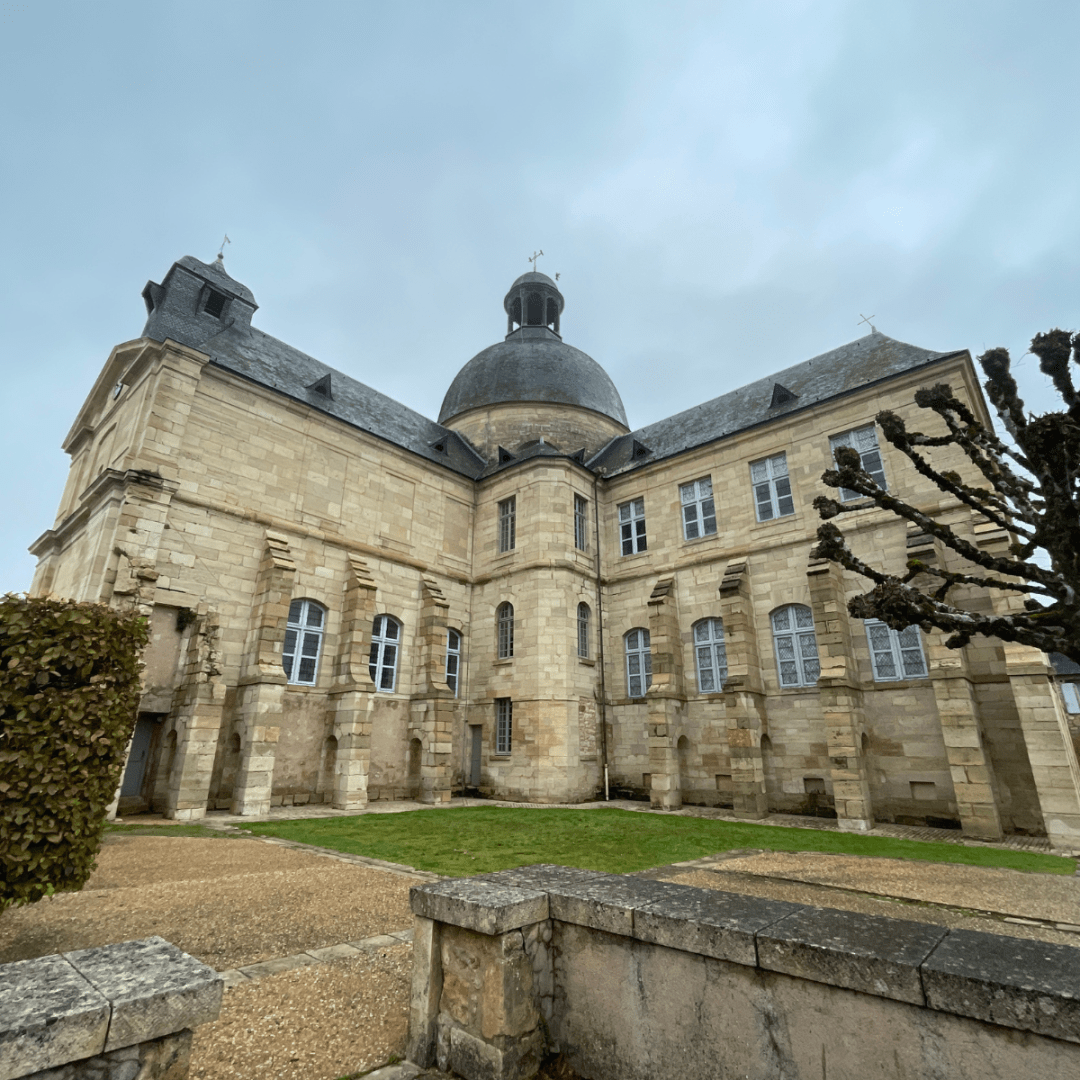
Hautefort is not a village you simply enter - you approach it. It sits high in the landscape and is dominated from all sides by the Château de Hautefort, which naturally determines the perspective. The village is clearly defined, well kept and strikingly orderly - a place where nothing seems accidental.
The château is the fixed reference point. Its classical architecture and formal gardens stand in sharp contrast to the surrounding woodland. Where the landscape is free and irregular, the gardens are controlled and precise. The building looks out over the countryside and remains at a distance: present, but not inviting.
Beneath this monumentality lies the village itself. Small in scale, historic in character and functionally laid out. Here you’ll find a few shops and restaurants, as well as the Musée d’Histoire de la Médecine, housed in the former hospital. In this building, the focus shifts from representation to care, from power to people. The nearby Chapelle de l’Hôtel Dieu makes this history tangible.
Hautefort is not constantly lively, but comes to life in moments. During brocantes and vide greniers, the village visibly changes. The strict lines soften, use takes precedence over form, and the village becomes temporarily more open and informal. Beyond the historic core, Hautefort opens up further. In the surrounding area lies the Aquaparc du Coucou, and the landscape lends itself to a different perspective with hot air balloon flights over the Périgord. Activities that stand apart from the village, yet are part of the same environment.
Hautefort is not a place that can be easily summed up. It is a village of contrasts: strict and human, formal and temporarily relaxed. A place where one monument determines everything and where, precisely because of that, space arises for the small, the local and the unexpected.
TOURTOIRAC
A TRADITIONAL VILLAGE WITH A RECENT DISCOVERY
Tourtoirac lies in the Auvézère valley, on the edge of the Périgord Noir. The village has a clear structure and a long history, shaped by water, agriculture and religious presence. The village centre consists of traditional buildings and narrow streets, with a park along the river that borders directly on the Auvézère. The park forms a natural starting point for walks in the area, such as the Boucle de la Fontaine de Ladoux or the Boucle des Bories.
Next to the park is a small village square with a few restaurants and terraces. A place to pause for a while, without the village losing its quiet character.
At the heart of Tourtoirac stands the église abbatiale, a former abbey church that has guided the village’s development for centuries. The sober building forms a fixed historical anchor in the valley.
Another, less expected presence is the Musée des Rois d’Araucanie, which highlights a remarkable chapter in local history and gives Tourtoirac its own cultural layer.
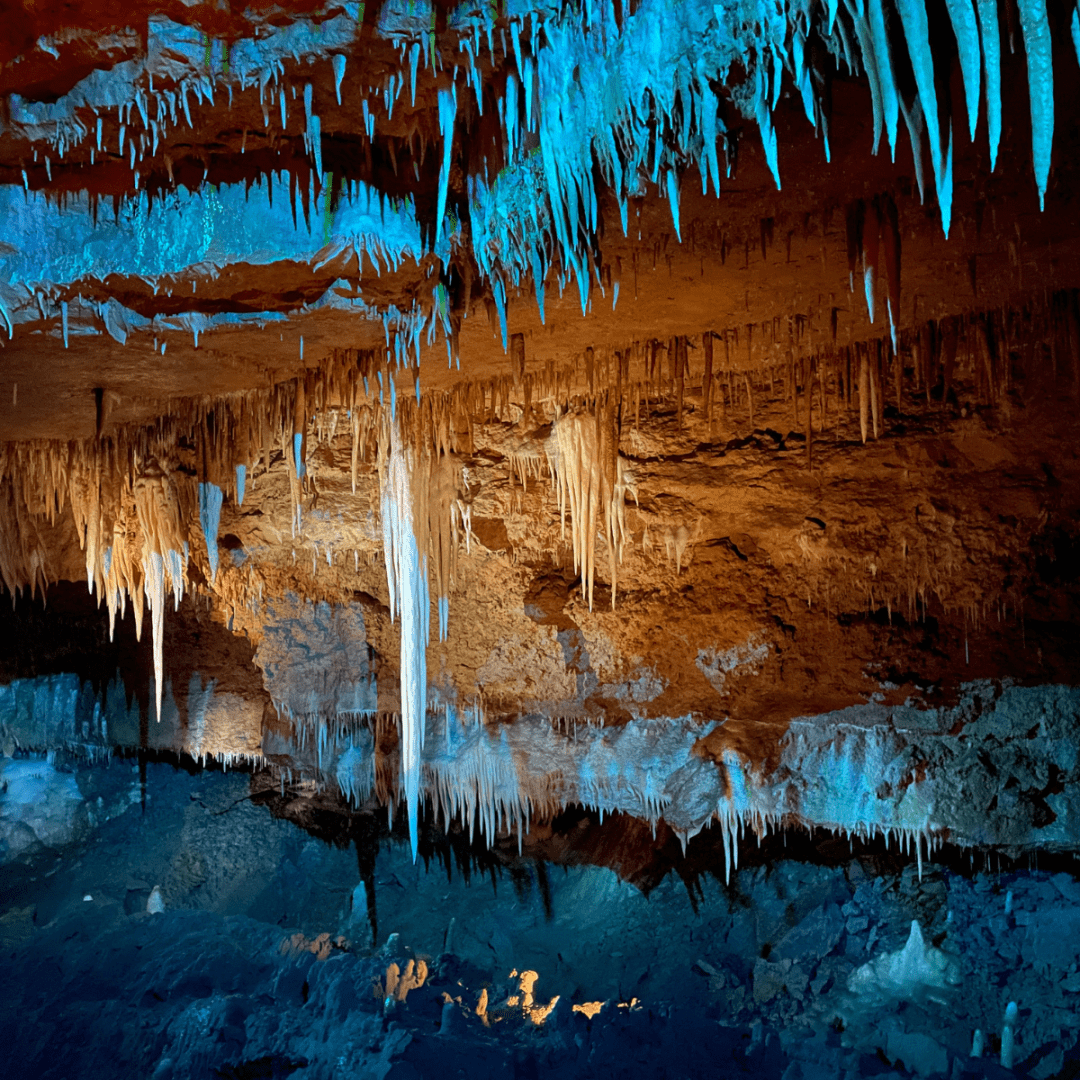
Beneath the village lies the Grotte de Tourtoirac, an underground site discovered only recently. The cave is hidden from view, yet it forms part of the same place, without dominating the village above. It adds a quiet, unexpected depth to Tourtoirac — a reminder that the landscape here has layers far older than the settlement itself.
Tourtoirac is a village shaped by water, stone and time. Its scale is modest, but its presence is steady: a place where history is not displayed, but lived with.
MONTIGNAC & LE THOT
ARCHAEOLOGICAL SITES
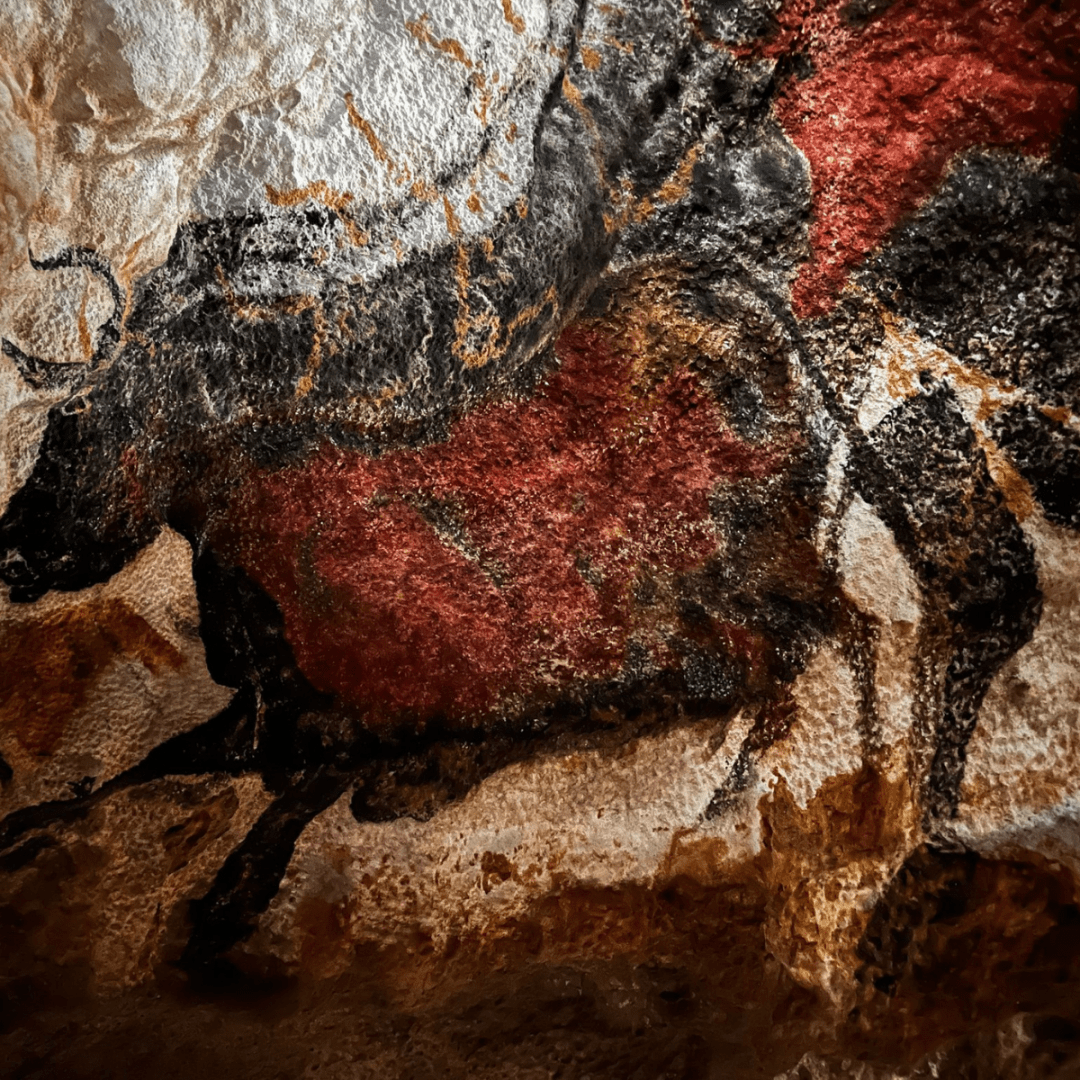
Montignac lies on the Vézère and forms the historic gateway to Lascaux, the most famous prehistoric cave in Europe. The original cave lies on the hillside just outside the village, while the successive reconstructions — from Lascaux II to today’s Lascaux IV, the International Centre for Cave Art — have given the town a lasting international role in prehistoric heritage.
The village itself has a compact structure along both banks of the river, with timber framed houses, narrow streets and bridges linking the two sides. Montignac is not a museum village; it is a place where daily life and heritage coexist naturally.
Nearby lies Le Thot, a centre that brings the Ice Age animal world to life. Life size reconstructions — including mammoths — and interpretations of the fauna of the same period connect the art of Lascaux with the landscape in which it was created.
Montignac is therefore both a gateway to one of the world’s most important archaeological sites and a living place with its own quiet rhythm.
ROUFFIAC
FOR THOSE WHO WANT TO ENJOY PEACE AND QUIET OR A SPORTING CHALLENGE
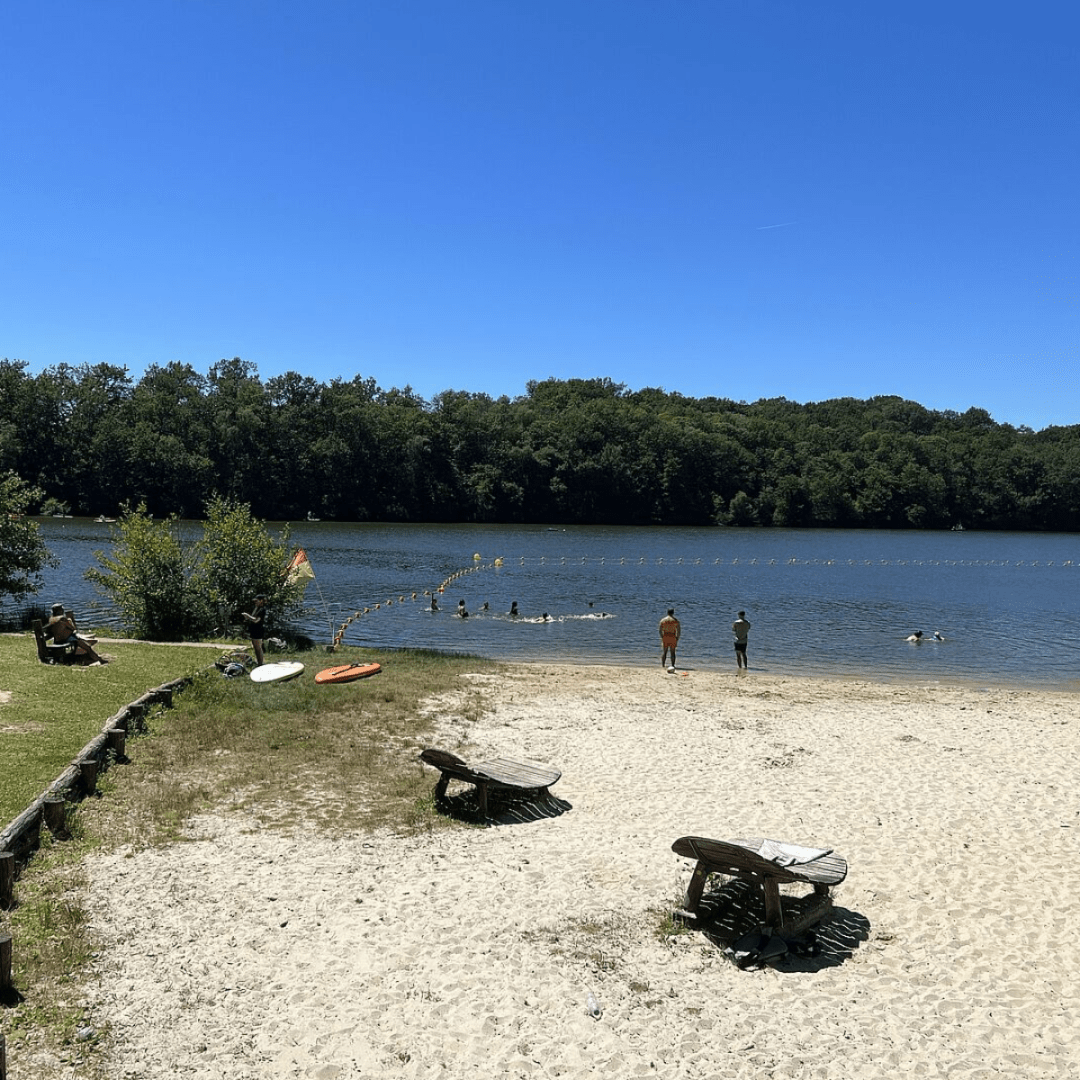
Rouffiac lies in a gently hilly part of the Dordogne. Just outside the village is the Lac de Rouffiac, a large recreational lake in a wooded setting. The lake serves as a regional hub for outdoor activities that match the scale and character of the landscape.
Around the water are areas for swimming, walking and gentle water sports such as canoeing and paddleboarding. On the lake is a cable ski system, adding a more dynamic layer to the site. In the forest at the lake’s edge is an accrobranche course, where treetop routes follow the contours of the terrain.
The recreational area is spaciously laid out, allowing different types of use to coexist. Paths and small roads connect the lake with the surrounding woods and hamlets, making the landscape accessible both actively and quietly.
Rouffiac is a place where village life and the lake complement one another: a peaceful residential setting alongside a natural recreational area that fits seamlessly into the Périgord Vert.
WATERPARK COUCOU
WATER FUN FOR THE WHOLE FAMILY
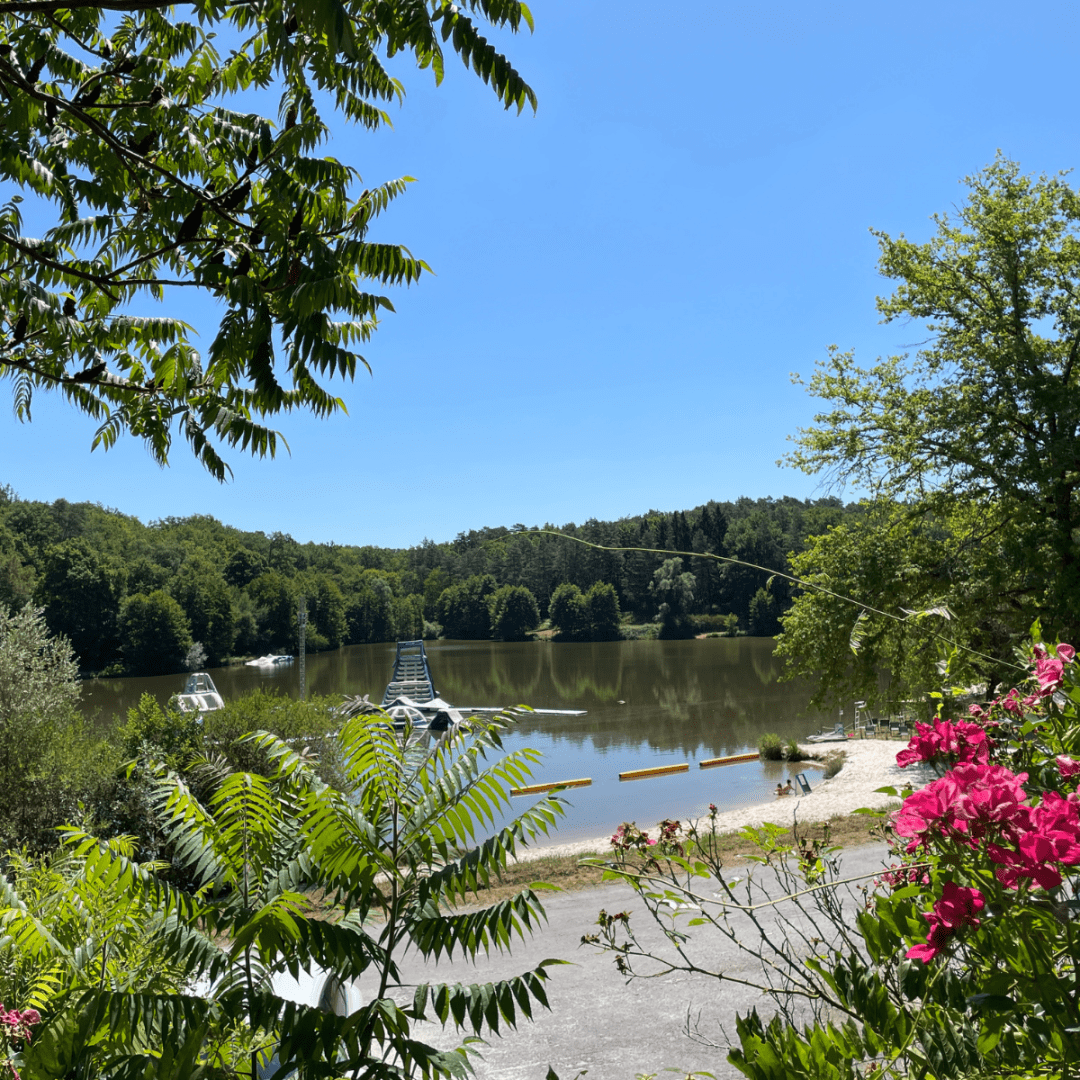
On the edge of Hautefort lies Waterpark Coucou, a small scale recreational area centred around a lake used mainly for water activities. The site is clearly laid out, with zones for swimming, slides and floating play structures. The combination of open water and simple facilities makes the park accessible for families and visitors looking for a relaxed day by the water.
Around the lake are grassy areas and shaded spots that blend naturally with the surrounding landscape. The park forms a light, playful counterpoint to the historical weight of Hautefort and the quiet villages nearby. Its scale remains modest; it is a place focused on use and enjoyment rather than spectacle.
Waterpark Coucou is a recognisable recreational point within the Périgord, where water, play and landscape come together naturally.
SAINT-ROBERT
MEDIEVAL VILLAGE AT 350 METERS ALTITUDE
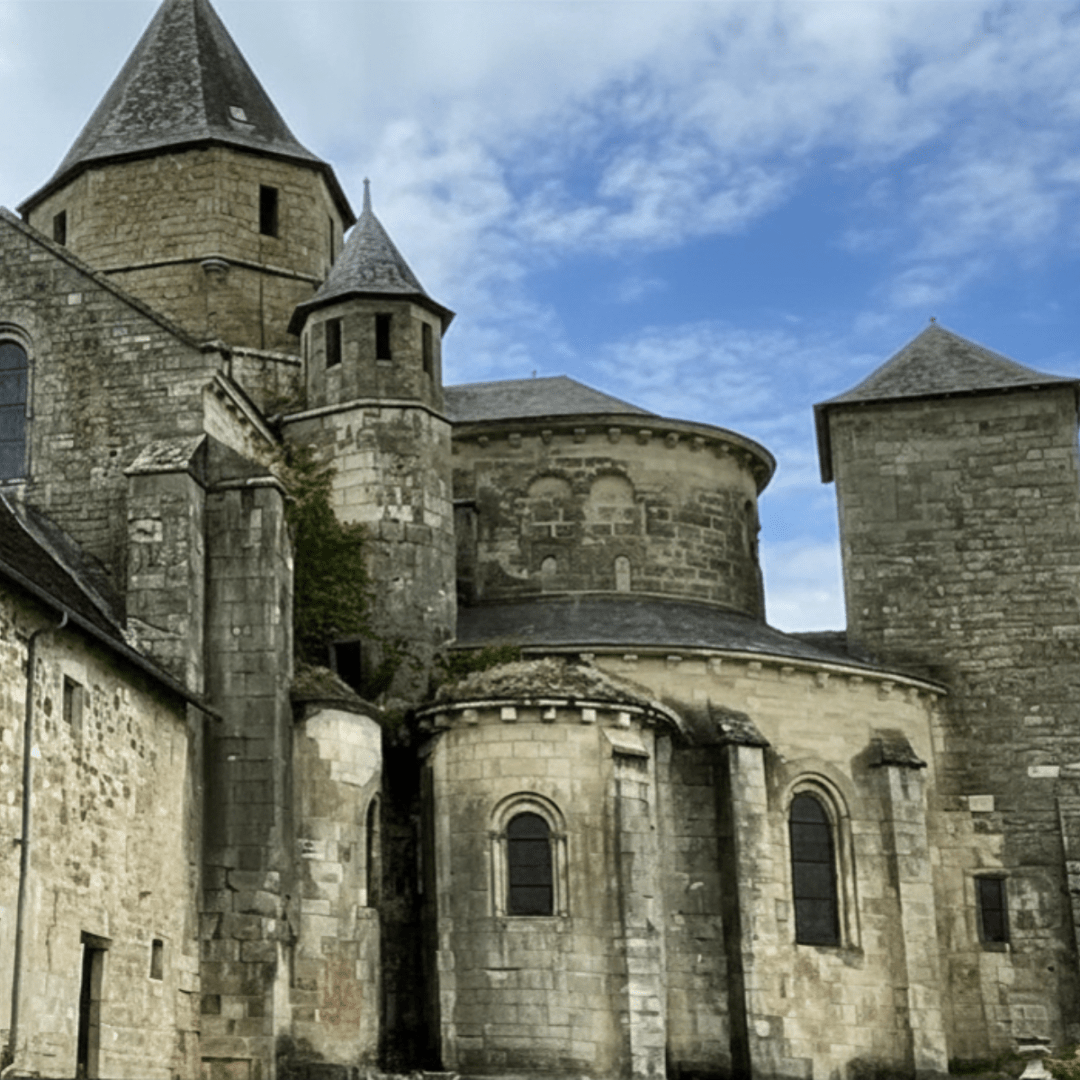
On the border of Corrèze and Dordogne lies Saint-Robert, a village that gently preserves its medieval soul. Here, time seems to stand still: a Romanesque fortified church that once protected a Benedictine priory, stately stone houses and narrow streets winding between ancient walls.
Perched at 350 metres, the village offers sweeping views over the rolling bocage landscape of southern Corrèze. Castles, turreted houses and simple yet imposing homes tell the story of a region where history and nature have been intertwined for centuries.
Those in search of a peaceful, charming escape will find exactly what they are looking for here. Saint-Robert surprises with its understated beauty and the rhythm of life that is still cherished today, from renowned music festivals to village celebrations honouring the Corrèze terroir.
An intimate discovery, just a stone’s throw from Maison Fleurs Bleues.
JUMILHAC LE GRANDE
BREATHTAKING HISTORY AND NATURE
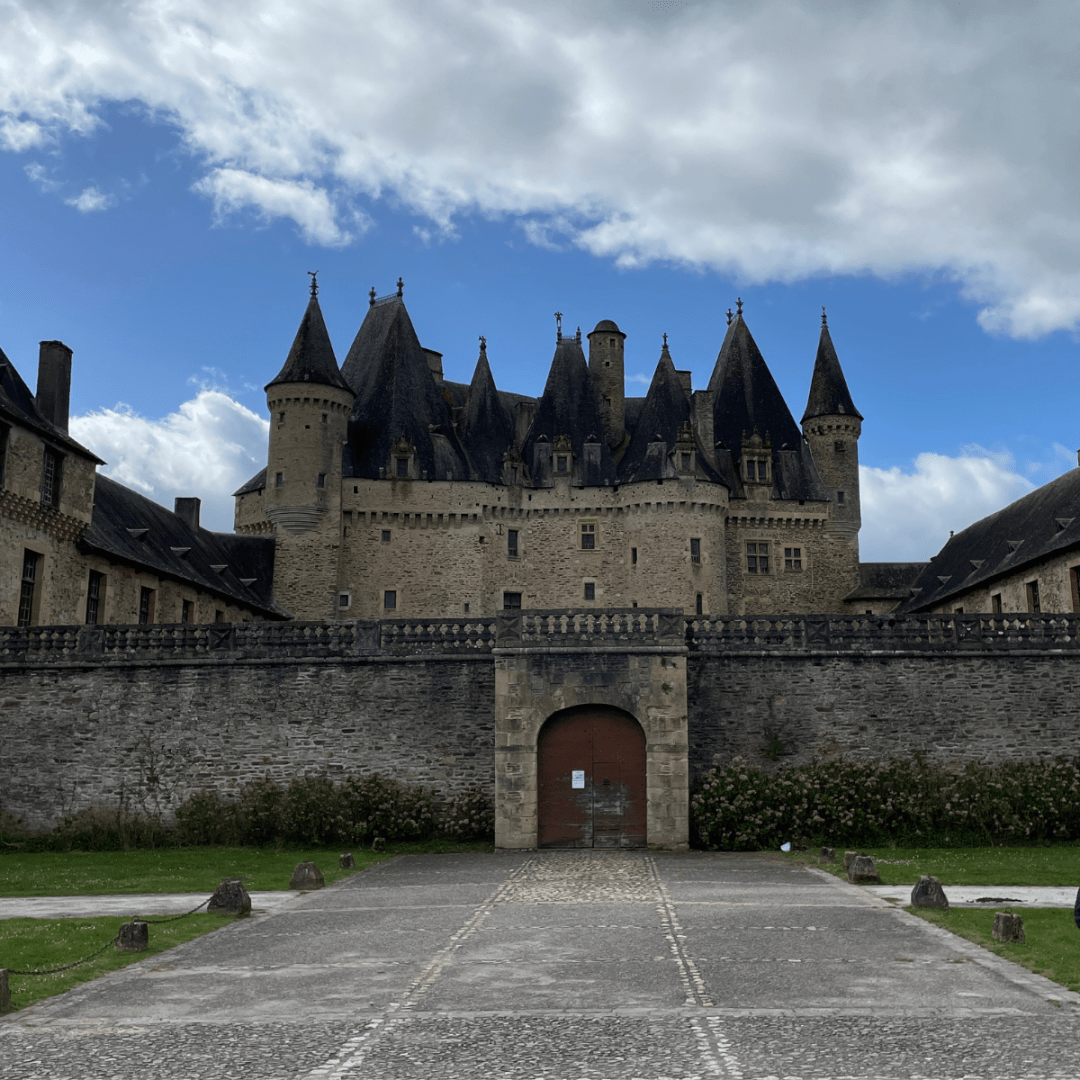
Jumilhac le Grand lies in the heart of the Périgord Limousin Regional Natural Park and is known for its impressive medieval château with its famous “romantic roofs”. The village stretches across a wide, hilly landscape where rivers, forests, meadows and old gold mines create a rich and varied environment. The history of Jumilhac is closely linked to gold mining from the Gauls to the 20th century and to the many forges once powered by the river.
The Château de Jumilhac, part of the Richard the Lionheart Route, rises above the valley and offers beautiful views over the gorges of the Isle. In and around the village you will find countless walking paths (around 80 km), opportunities for cycling, horse riding, canoeing, swimming and even gold panning during special summer activities. The nature here is rugged and green, with orchid meadows, otters, birds of prey and quiet forest lakes. A place where heritage, nature and adventure come together effortlessly.
DOMME
A GOLDEN BASTIDE OVERLOOKING THE DORDOGNE
High on a limestone cliff, Domme looks out over the Dordogne Valley. This royal bastide, founded in 1281, combines history, light and space in a way that instantly resonates. The central square, the Belvédère, opens like a balcony above the landscape—offering views that take your breath away time and again.
Beneath the village lies the remarkable Grotte de Domme, the largest developed cave in the Périgord Noir. Through galleries filled with limestone formations, you descend into a hidden world, before rising again above the valley in a panoramic lift.
Domme itself is a place to wander: narrow streets, honey-coloured houses, small shops, ateliers and terraces tucked between ancient walls. The imposing Porte des Tours still bears mysterious inscriptions once attributed to the Knights Templar.
The village breathes stories - from its strategic role as a bastide to its cinematic appeal, which has drawn numerous filmmakers. Despite its fame, Domme remains surprisingly peaceful, with an atmosphere that invites you to slow down, look around and simply enjoy.